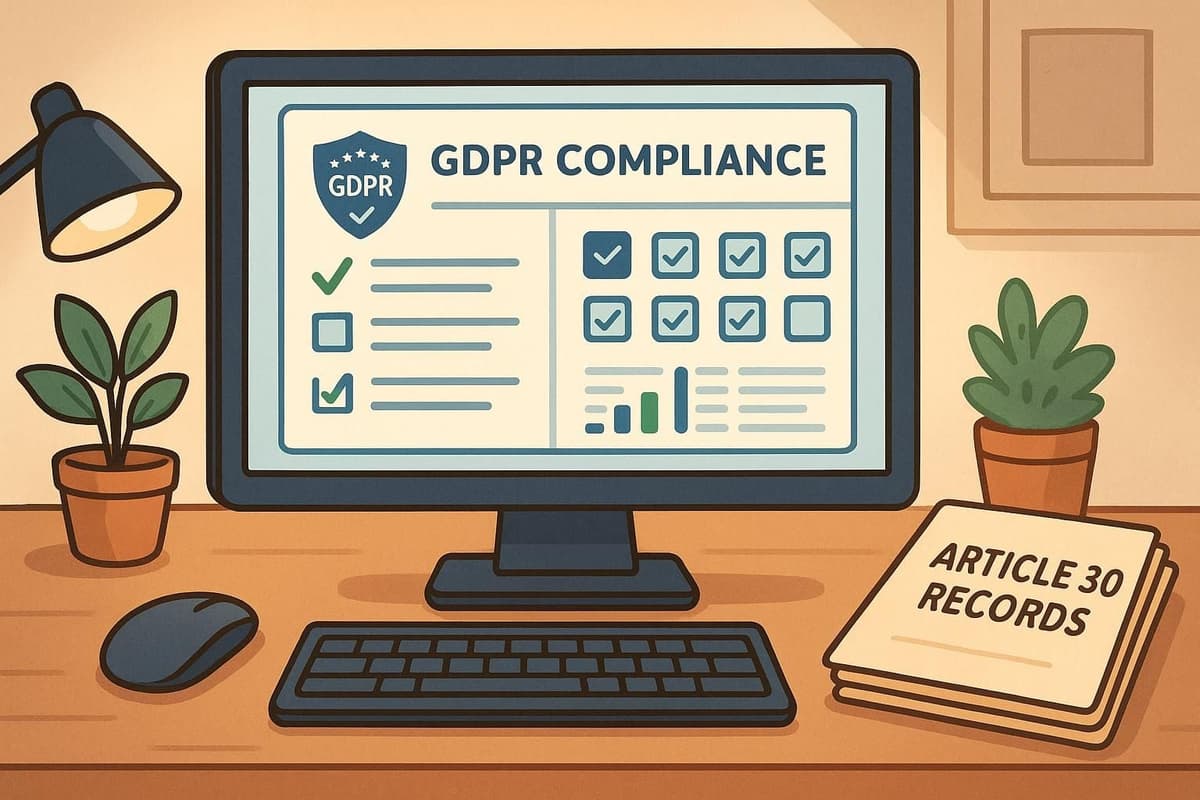
How to Automate GDPR Article 30 Records
Automating GDPR Article 30 Records enhances compliance, reduces errors, and streamlines data management, ensuring audit readiness and operational efficiency.

Automating GDPR Article 30 Records enhances compliance, reduces errors, and streamlines data management, ensuring audit readiness and operational efficiency.
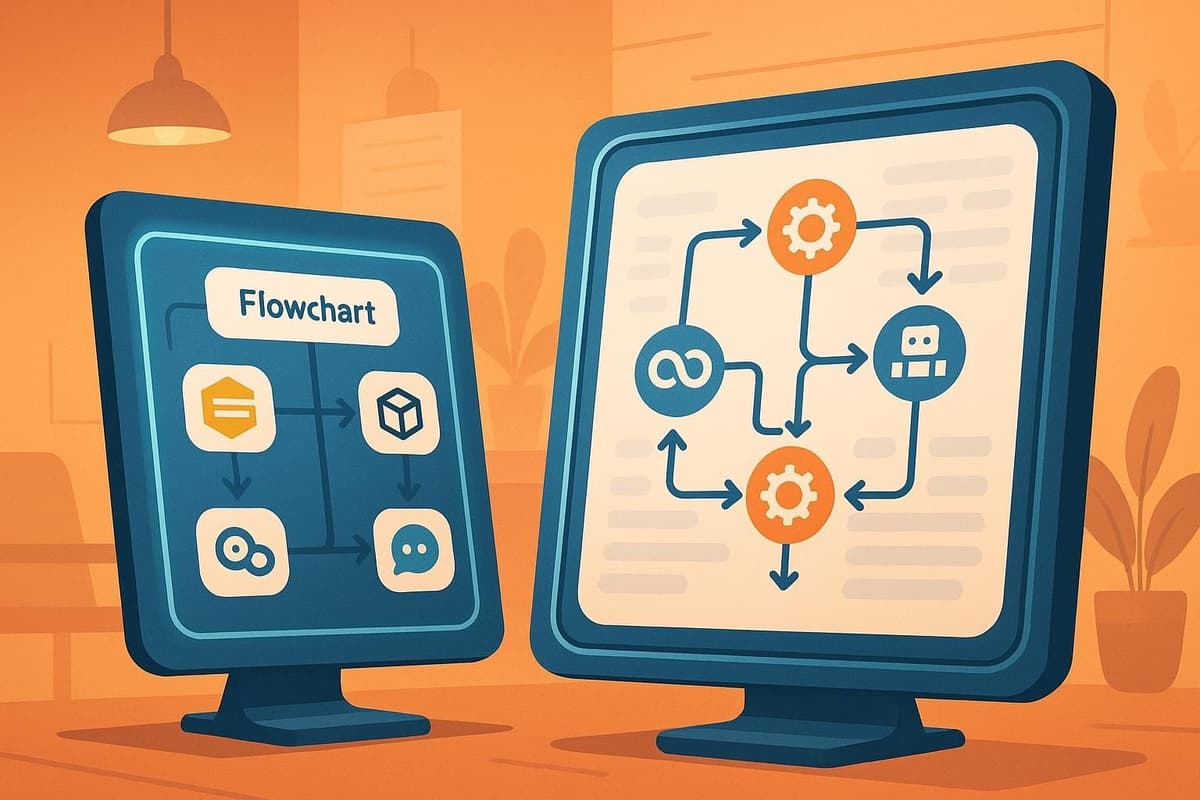
Explore alternatives to automation platforms like LangSmith in 2025, focusing on features, pricing, and integrations for effective workflow management.
Explore how AI revolutionizes data backup security by enhancing threat detection, automating responses, and optimizing storage management.

Learn how to design effective lead nurturing workflows that enhance customer relationships and drive more sales-ready leads with automation and personalization.
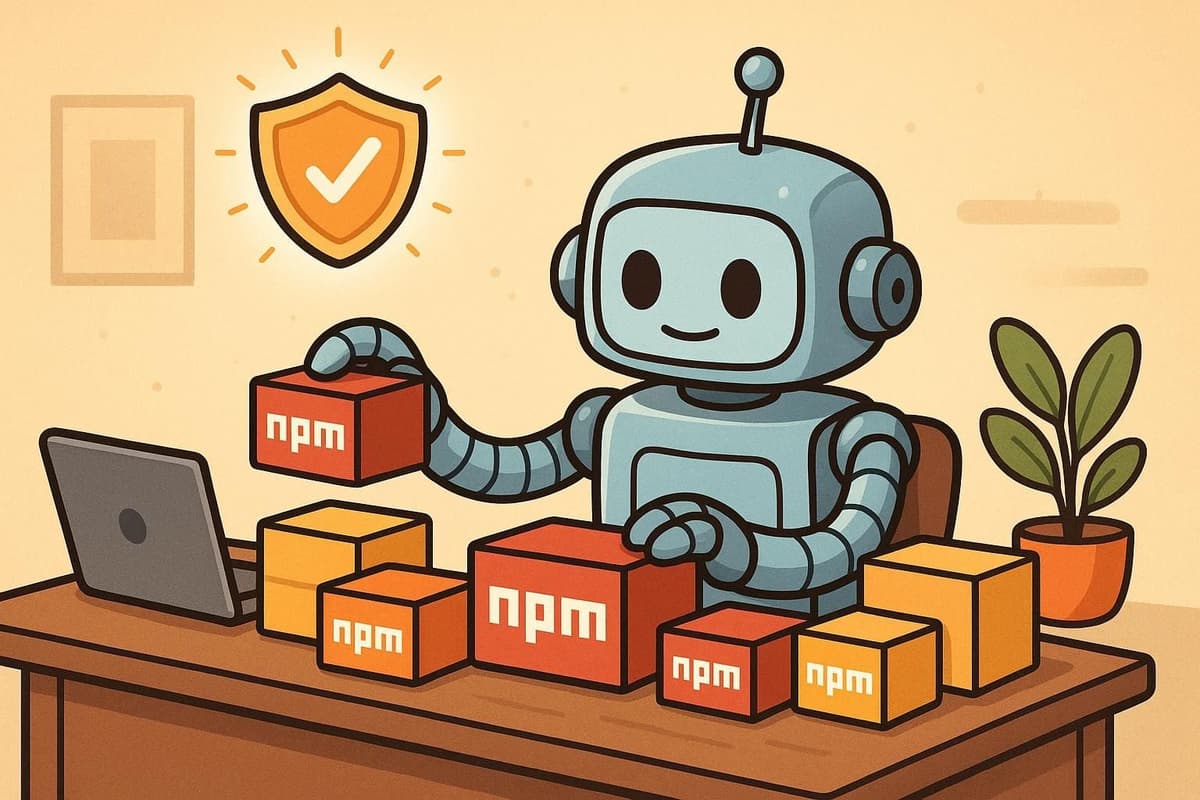
Learn how to automate NPM security updates using tools like npm audit and Dependabot to enhance your project's security and efficiency.

Explore how AI-powered lead nurturing can enhance customer engagement and streamline your sales processes with data-driven automation.
Automating data anonymization is essential for GDPR compliance, enhancing efficiency and reducing risks while safeguarding sensitive information.

Explore top low-code tools that revolutionize workflow automation, empowering businesses to maximize efficiency and streamline operations.

Effective error handling in low-code workflows enhances automation reliability, reduces downtime, and ensures data integrity through best practices.

Learn how to effectively validate data mapping in low-code workflows to ensure accuracy and maintain seamless operations.

Learn effective techniques to optimize JavaScript loops for automation, boosting performance and efficiency in data processing tasks.
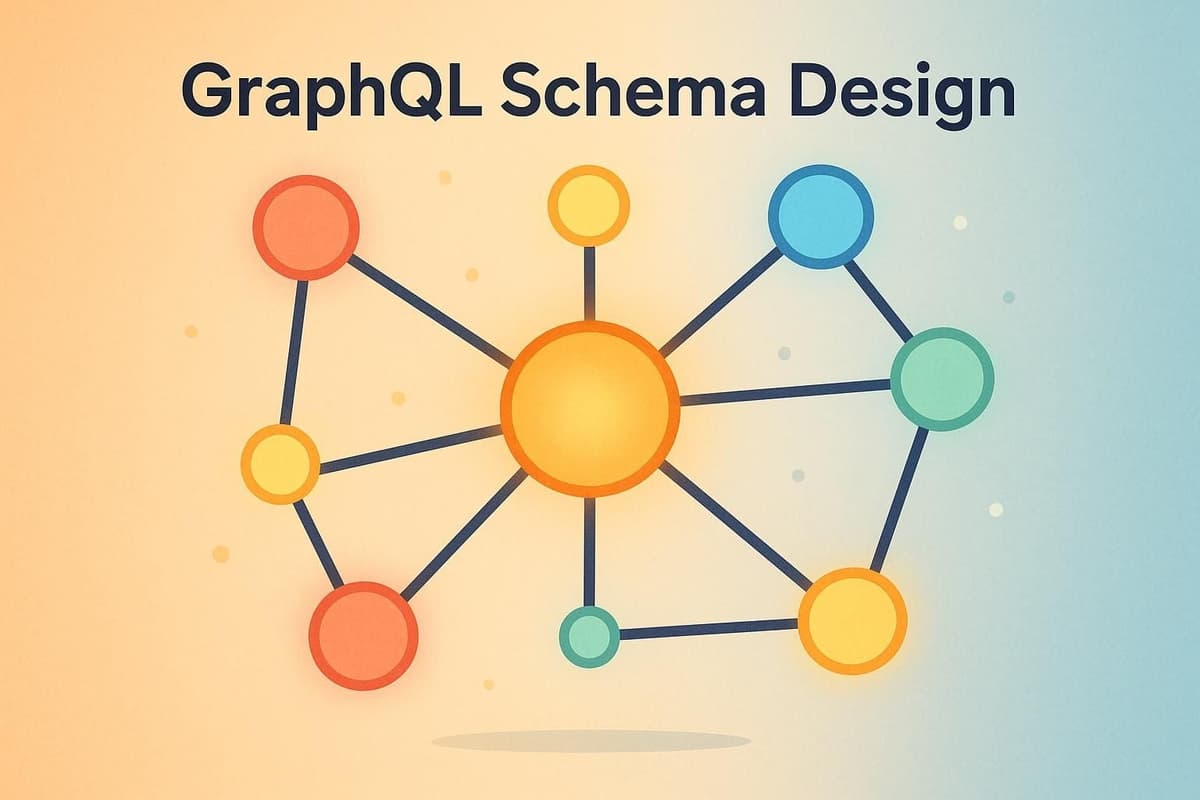
Explore best practices for designing efficient GraphQL schemas that enhance API integrations while ensuring scalability and maintainability.