
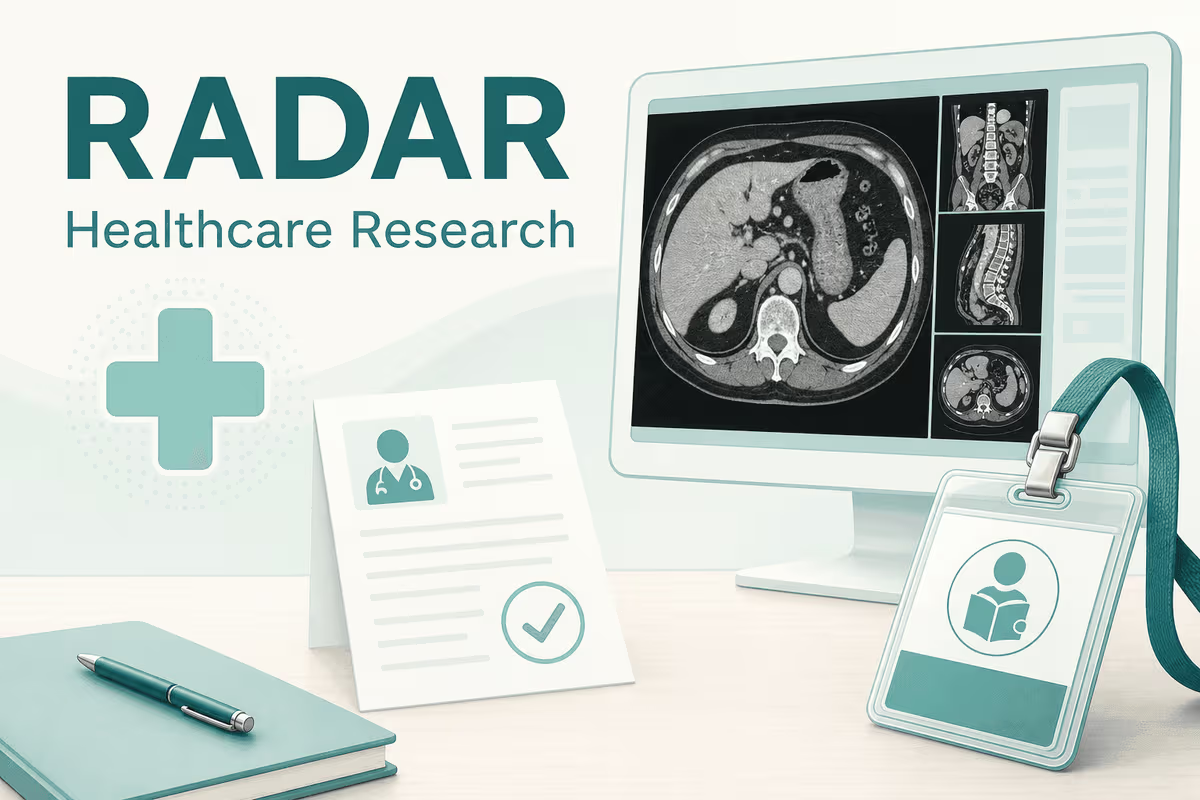
On Sept. 29, Alibaba DAMO Academy said it had open-sourced RADAR, its model for reading contrast-enhanced abdominal CT scans, and made weights publicly available for research.
In the Alibaba announcement, the company says RADAR covers more than 146 findings across 18 anatomical structures from a single scan. Alibaba also reports evaluation on nearly 40,000 clinical scans with an AUC of 0.913.
The Hugging Face model card adds the scale of the training setup: more than 400,000 abdominal CT exams paired with 15 million anatomy-aware image-text pairs. That page also places the release under CC BY-NC-SA 4.0 and limits it to research use rather than direct clinical deployment.
For builders, the practical takeaway is narrow but useful: RADAR is available for benchmarking, internal evaluation, and workflow experiments around medical imaging, but the license and deployment warning keep it on the research side of the line. Teams testing it should treat model output as an input to reviewed analysis, not as a standalone diagnostic decision.