
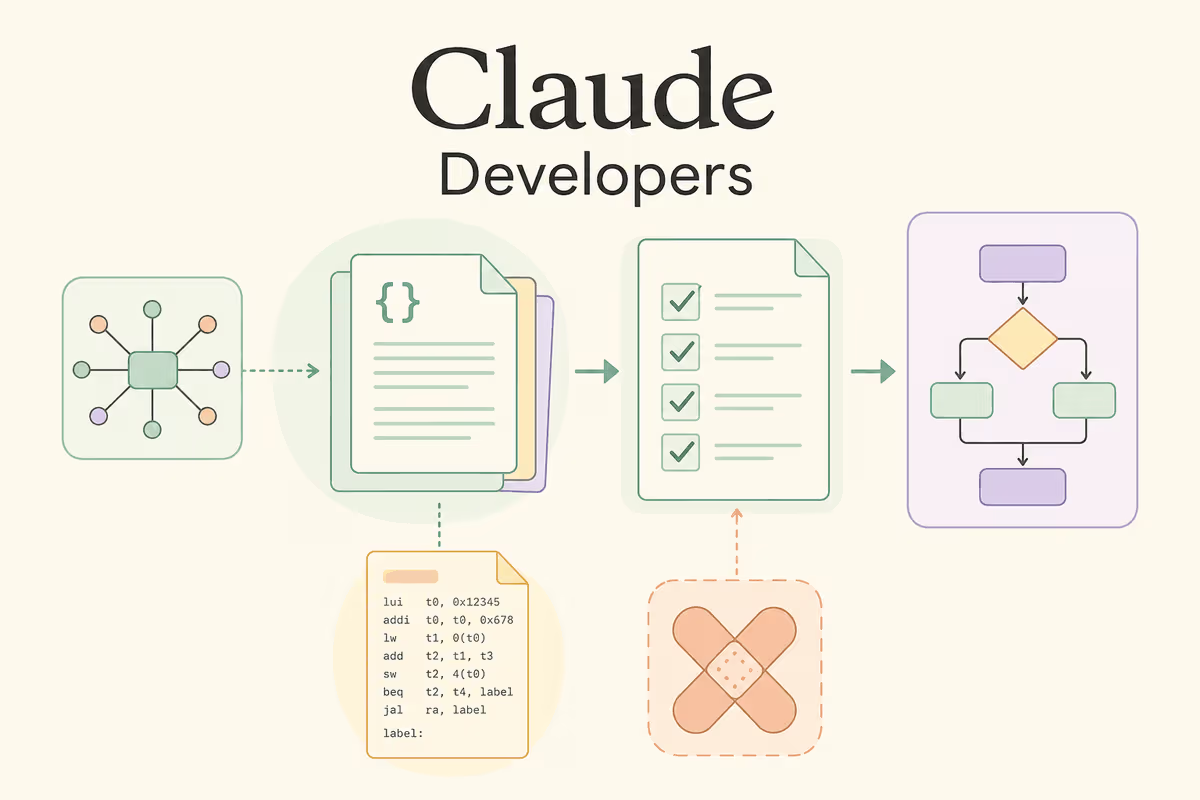
Anthropic and Theorem said on October 22, 2026 that Claude helped produce machine-checked no-crash proofs for 239 OSS-Fuzz entry points across 123 open-source libraries, according to Anthropic’s research post.
The work was done at the compiled RISC-V assembly level, with proofs checked by Rocq rather than reviewed manually. Anthropic also says Claude found and patched bugs during proof attempts, including issues fuzzing had missed despite prior testing.
The guarantee is narrower than the headline suggests. Anthropic’s main no-crash claim applies to inputs under 64 MB and depends on stated assumptions, including single-threaded, static RISC-V Linux binaries running within a fixed memory budget. That means the result does not automatically carry over to other architectures or unmodeled code paths.
Anthropic says it is publishing a subset of the proofs and semantics publicly, while Theorem is offering the pipeline for other open-source projects.