
Anthropic conference talks outlined how the company structures Claude Managed Agents, though the supplied official link points to a different Anthropic webinar.
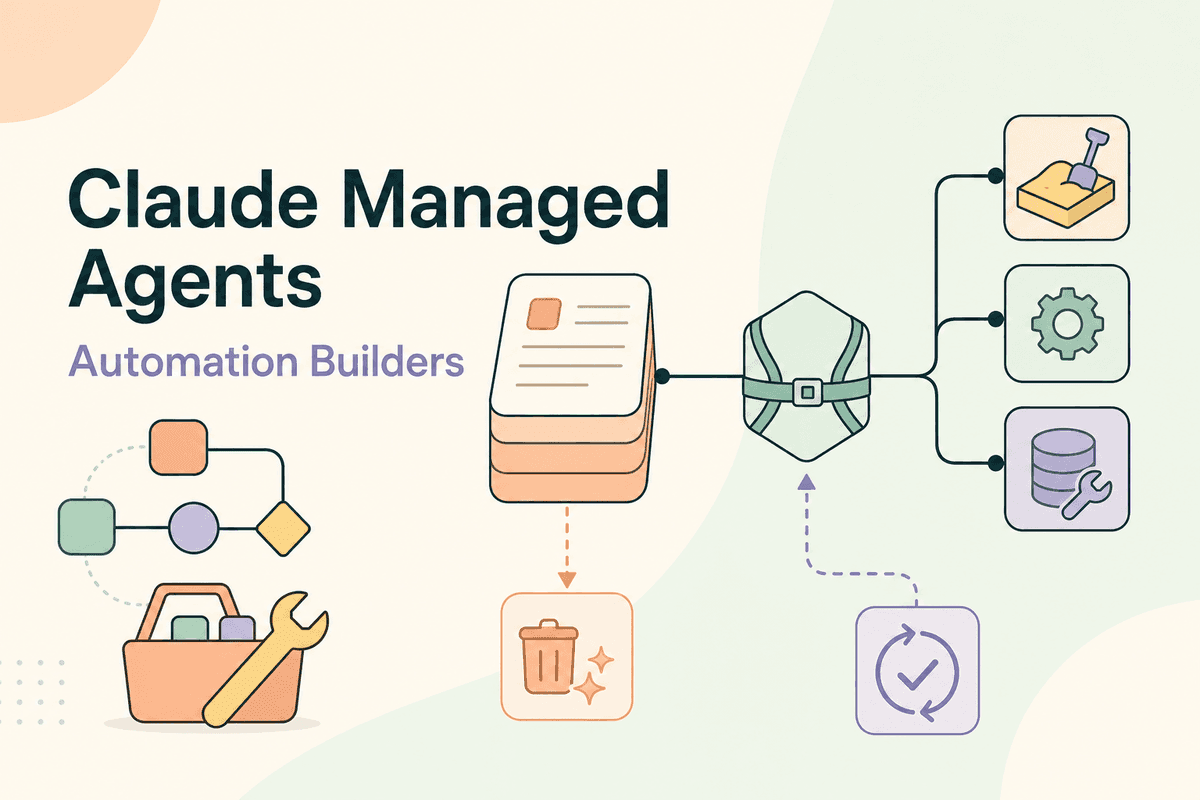
In the architecture talk, engineers describe splitting the system into a durable session record, a lightweight harness, and execution tools such as sandboxes or MCP-connected services. The aim is to keep state persistent while the runtime can be disposable.
The long-horizon tasks session adds a separate-context verifier loop, so a different context grades the work instead of asking the same one to judge itself. That session also describes memory as a two-step process: agents write notes during a task, then a later offline pass consolidates and corrects them.
The attribution caveat remains. The linked Anthropic webinar page is for an SRE incident-response webinar, not the broader Managed Agents material summarized in the talks.